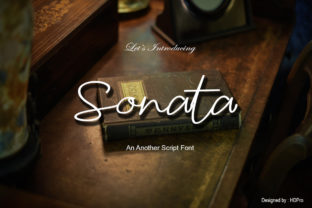
Sonata Font: A Script Typeface for Handmade Products
As a small business owner and creator, finding the right typeface is often the difference between a product that looks homemade and one that looks professionally designed. We spend hours perfecting our crafts, whether we are pouring soy candles, designing wedding stationery, or creating digital planners for Etsy. The typography we choose carries as much weight as the product itself. Sonata is a beautiful script font with a unique feel that serves as a reliable tool for makers who need their work to stand out. It strikes a delicate balance between artistic expression and commercial readability, making it an essential asset in any creative font library.
Elevating Product Packaging and Labels
When designing labels for physical goods, legibility is just as important as aesthetics. Customers need to read what they are buying instantly, but they also want to feel an emotional connection to the brand. Sonata excels in this space because its letterforms are distinct without being overly chaotic. For candle makers, skincare artisans, and boutique owners, this script font adds a touch of organic luxury to packaging design. Unlike stiff display fonts, Sonata flows with a natural rhythm that mimics high-end hand-lettering.
Consider using Sonata for the primary product name on a jar label or box. Its unique character shapes create an authentic eye-catcher that draws attention on crowded market tables or online thumbnails. However, it is best reserved for short phrases, titles, or names. When used for longer ingredient lists or instructions, the intricate details can become difficult to read at small sizes. Pairing Sonata with a clean sans serif font for body text ensures your customers get all the necessary information while still enjoying the decorative charm of the header.
Creating Memorable Wedding and Event Stationery
The wedding industry demands typography that feels personal yet polished. Invitation designers know that a script font sets the tone for the entire event. Sonata offers a modern twist on traditional calligraphy, making it ideal for contemporary couples who want elegance without stuffiness. It works beautifully for wedding welcome boards, seating charts, and formal invitations where the names of the couple need to be the focal point.
For printable creators, this typeface translates exceptionally well to digital downloads. Because the strokes have consistent weight and clear spacing, Sonata remains crisp when printed at home or by professional vendors. This reliability is crucial for selling templates. When a customer purchases a wedding invitation template, they trust that the font will render correctly across different devices and printers. Using Sonata helps maintain that perceived quality, reducing customer support questions about formatting issues and increasing positive reviews for your shop.
Practical Tips for Cutting Machines and SVG Designs
For crafters using Cricut or Silhouette machines, not every pretty font is functional. Intricate scripts with thin hairlines often tear during the weeding process or fail to adhere properly to surfaces like vinyl or cardstock. Sonata is designed with production in mind. While it possesses the delicate beauty of a handwritten font, the stroke width is generally robust enough for cutting applications.
When preparing files for adhesive vinyl stickers or iron-on transfers for tote bags and shirts, always check the weld feature in your design software. Ensuring that overlapping letters in Sonata are welded into a single cut path prevents the machine from cutting through the interior of connected letters. This simple step saves material and time. Additionally, test cut a small sample before committing to a large batch of merchandise. Even with a high-quality premium font, material thickness and blade sharpness can affect the final outcome. Sonata’s balanced proportions make it a forgiving choice for these physical applications, but testing is always the hallmark of a professional maker.
Strategic Font Pairing for Brand Identity
A cohesive brand identity relies heavily on how different typefaces interact. Sonata is a versatile player in font pairing strategies because of its distinct personality. As a featured script, it needs supporting actors that do not compete for attention. Here are effective pairing approaches for handmade businesses:
- Sonata + Geometric Sans Serif: This combination creates a modern, minimalist aesthetic perfect for lifestyle brands and digital printables. The simplicity of the sans serif grounds the expressive curves of Sonata.
- Sonata + Classic Serif: For a more traditional or vintage look, pair Sonata with a refined serif font. This works exceptionally well for bakery packaging, heritage-style signs, and formal stationery.
- Sonata + Bold Display Font: If you are designing sale graphics or social media announcements, use a bold display font for the main message and Sonata for accent words like "Special," "New," or "Love." This hierarchy guides the viewer’s eye effectively.
Remember that consistency builds recognition. Using Sonata as your primary branding script across your website, social media graphics, and product tags helps customers instantly identify your work. This visual thread strengthens your brand identity and makes your shop feel established and trustworthy.
Maximizing Design Assets and Alternates
To truly get the most out of Sonata, explore the included OpenType features. Many script fonts in the Script Amp category come with valuable extras that transform standard typing into custom lettering. Check if Sonata includes swashes, ligatures, or stylistic alternates. These design assets allow you to customize the beginning and end of words, add flourishes to capital letters, or swap out standard characters for more ornate versions.
Using alternates is particularly useful for logo design and monograms. A standard 'S' might look fine in a sentence, but an alternate swash 'S' could be the defining element of a boutique logo. Multilingual support is another critical feature to verify if you serve international customers or create multilingual wedding stationery. Ensuring your chosen typeface supports necessary accents and special characters prevents awkward fallback fonts from breaking your design layout. Taking the time to learn these features turns a static font file into a dynamic creative tool.
Navigating Commercial Licensing for Sellers
One of the most practical aspects of selecting a font for business use is understanding licensing. As sellers of physical products, templates, and digital downloads, we must ensure our tools are cleared for commercial application. Before listing a new product featuring Sonata, review the specific license agreement provided by the foundry.
Most commercial font licenses cover the creation of physical end products like mugs, shirts, and printed cards. However, restrictions often apply to digital redistribution. You typically cannot include the raw font file in a template kit or sell the alphabet as a standalone SVG bundle. Understanding these boundaries protects your business from legal issues and respects the intellectual property of the type designer. When in doubt, reach out to the creator for clarification. Operating ethically not only keeps your shop safe but also supports the ecosystem of independent type designers who create the beautiful assets we rely on daily. By respecting these terms, you ensure that Sonata remains a sustainable part of your creative toolkit for years to come.