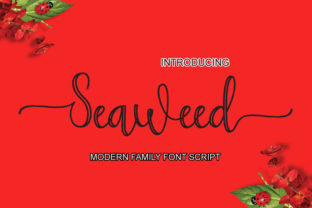
Seaweed Font: Handwritten Charm for Web Design
In the competitive landscape of digital design, finding a typeface that balances authentic personality with modern usability is a constant challenge. As web designers and UI creators, we often struggle to inject warmth into digital interfaces without sacrificing professionalism or readability. Seaweed is a handwritten font that addresses this specific friction point. It offers a modern, simple aesthetic that retains the organic imperfections of natural handwriting while remaining clean enough for digital screens. For digital product creators building landing pages, online stores, or brand-focused web experiences, Seaweed serves as a versatile tool to establish visual hierarchy and emotional connection.
Defining Visual Hierarchy in Digital Interfaces
The primary strength of Seaweed lies in its ability to function as a high-impact display font within a structured layout. Unlike overly ornate script fonts that can become illegible at smaller sizes or on mobile devices, Seaweed maintains an open structure and consistent stroke weight. This makes it exceptionally useful for hero sections where the goal is immediate engagement. When designing a landing page for a creative course or a boutique e-commerce store, the headline must arrest attention instantly. Seaweed provides that "stop-scroll" factor through its authentic charm, signaling to the user that the content is personal and curated rather than corporate and generic.
However, visual hierarchy is not just about size; it is about contrast. Because Seaweed carries significant texture and personality, it performs best when used sparingly. In a conversion-focused layout, reserve this typeface for primary headings, pull quotes, or signature elements. Using it for navigation menus or dense body copy will degrade the user experience and increase cognitive load. By limiting Seaweed to key focal points, you guide the user’s eye naturally through the page, reinforcing the most important messages and calls to action without creating visual noise.
Enhancing Brand Tone and User Trust
Typography is one of the fastest ways to communicate brand values before a user reads a single word of copy. For coaches, artisans, lifestyle brands, and creative entrepreneurs, trust is often built through perceived authenticity. A sterile sans serif font might convey efficiency, but it rarely conveys intimacy. Seaweed bridges this gap by introducing a human element to the screen. Its modern simplicity prevents it from looking dated or messy, ensuring the brand still feels professional and reliable.
This balance is critical for digital products like online workshops or membership sites. Users need to feel a connection to the creator to invest in the offering. Implementing Seaweed in section headers or testimonial highlights can soften the sales process, making the digital environment feel more welcoming. It transforms a standard transactional interface into a branded experience. When users perceive a website as thoughtfully designed with cohesive typography, their confidence in the product or service increases, directly supporting conversion goals.
Strategic Font Pairing for Web Layouts
To maximize the effectiveness of Seaweed, it must be paired correctly with supporting typefaces. As a script amp category font with handwritten characteristics, it requires a stable partner to ground the design. The most effective pairings typically involve clean, geometric sans serif fonts or neutral serif fonts for body text.
- Sans Serif Pairings: For a contemporary, minimalist look, pair Seaweed with a typeface like Inter, DM Sans, or Outfit. The rigid structure of these fonts contrasts beautifully with the fluid nature of Seaweed, enhancing readability for long-form content while letting the display font shine.
- Serif Pairings: For editorial designs, blogs, or luxury branding, consider pairing Seaweed with a refined serif like Merriweather or Playfair Display. This combination evokes a sense of heritage and craftsmanship, ideal for storytelling websites or high-end product pages.
- Avoid Script Clashes: Never pair Seaweed with another handwritten or decorative font. Competing textures create visual chaos and destroy hierarchy. Stick to one display font and let the supporting typography remain invisible and functional.
When setting type for the web, always test your pairings across different breakpoints. What looks balanced on a 27-inch monitor may feel cramped on a tablet. Ensure there is adequate vertical rhythm and whitespace around Seaweed headlines to prevent them from colliding with body text, especially given the ascenders and descenders common in handwritten styles.
Readability and Responsive Implementation
Digital readability differs significantly from print. Screens have backlighting, variable resolutions, and dynamic viewing distances. While Seaweed is designed with modern clarity, web designers must still apply technical best practices to ensure accessibility. On mobile devices, avoid using this font below 24px for headings. Small handwritten details can blur on lower-resolution screens or become difficult to parse for users with visual impairments.
Contrast is another non-negotiable factor. Seaweed works exceptionally well on both light and dark backgrounds, provided the color contrast ratio meets WCAG standards. When placing text over images or textured backgrounds, use a subtle drop shadow or a semi-transparent overlay to maintain legibility. The organic lines of the font can sometimes get lost in busy photography, so ensuring separation between type and background is vital for maintaining the message's integrity.
For interactive elements like buttons, exercise caution. While Seaweed can add flair to a primary CTA button, ensure the text remains instantly recognizable. If the button label is longer than two words, switch to a sans serif to preserve usability. Reserve Seaweed for short, punchy button text like "Join Now," "Shop Sale," or "Get Started." Always provide a fallback system font stack in your CSS to ensure the layout doesn't break if the webfont fails to load.
Technical Assets and Commercial Licensing
Before integrating Seaweed into a live project, verify the technical specifications and licensing terms. Modern web design requires WOFF2 file formats for optimal performance and fast loading times. Check if the font package includes multiple weights or alternate characters. Alternates are particularly valuable in handwritten fonts, as they allow you to vary letterforms in repeated words, mimicking the natural variation of real handwriting and preventing the "stamped" look that can occur with digital scripts.
Licensing is equally important for professional designers. Ensure your license covers all intended uses, including web embedding, digital product creation, and client work. A desktop license typically does not cover website usage or app integration. For agencies or freelancers managing multiple client sites, confirm whether you need individual licenses per domain or a broader commercial license. Respecting intellectual property protects both the designer and the client from legal issues and supports the type foundry ecosystem.
Multilingual support should also be verified if you are designing for international audiences. Many handwritten fonts focus primarily on English character sets. If your project requires accented characters or extended language support, check the glyph set beforehand to avoid missing symbols or fallback inconsistencies that could disrupt the brand identity.
Practical Applications Across Digital Touchpoints
Seaweed’s versatility extends beyond standard website headers. It is an excellent asset for creating cohesive cross-platform brand identities. Use it in social media graphics to maintain visual consistency between your website and Instagram or Pinterest feeds. The font’s authentic charm translates well to digital ads, helping banner creatives stand out in crowded feeds without appearing aggressive.
For SaaS founders or course creators, Seaweed can humanize technical content. Use it to highlight key takeaways, module titles, or instructor notes within a learning management system. In email marketing, incorporating Seaweed in subject lines or header images can increase open rates by signaling a personal touch amidst a sea of automated newsletters. For portfolio sites, it adds a layer of artistic credibility, suggesting that the designer values craft and detail.
Ultimately, Seaweed is more than just a decorative element; it is a strategic design asset. When applied with intention regarding hierarchy, pairing, and technical performance, it elevates digital experiences from functional to memorable. It allows web designers to craft interfaces that feel genuinely human, fostering deeper connections between brands and their audiences in an increasingly automated digital world.