Maryatha Font: Elevating Small Business Branding
As a small business owner, I know that every visual touchpoint matters. From the logo on my website to the sticker sealing a package, typography is often the silent ambassador of my brand. Finding a typeface that balances personality with professionalism can be a challenge, but Maryatha offers a solution that feels both intentional and accessible. This premium font brings a light charm and unique feel that can transform generic business materials into memorable brand experiences. For entrepreneurs in the Script Amp category looking for fonts that convey warmth without sacrificing clarity, Maryatha serves as a versatile tool for building a cohesive identity.
Defining the Personality of Maryatha
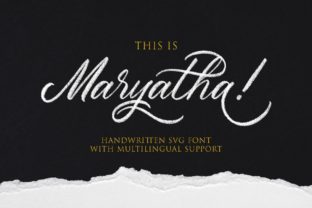
Maryatha is not just another handwritten script; it is a carefully crafted display font designed to evoke emotion while maintaining structural integrity. Its style sits comfortably between modern elegance and approachable authenticity. The strokes have a natural flow that mimics high-end hand lettering, yet the consistency ensures it looks polished across various media. This balance is crucial for small businesses that want to appear established and trustworthy while retaining the personal touch that sets them apart from large corporations.
The mood of Maryatha is inherently welcoming. It avoids the overly ornate swirls that can make some script fonts difficult to read, opting instead for clean lines and open counters. This makes it an excellent choice for brands in the beauty, wellness, culinary, and creative service sectors. Whether you are launching a boutique skincare line or rebranding a local café, this typeface communicates quality and care. It suggests that the same attention to detail found in the typography is present in the product or service itself.
Practical Applications Across Business Touchpoints
The true value of a creative font lies in its versatility. Maryatha excels because it adapts to multiple real-world applications without losing its character. As a business owner, I need assets that work hard across different formats, and this font delivers consistent results.
- Logo Design and Wordmarks: Maryatha shines as a primary logotype for businesses wanting a signature look. Its distinct letterforms provide enough visual interest to stand alone without needing complex iconography.
- Packaging and Product Labels: On candle jars, cosmetic bottles, or artisanal food packaging, this font adds a premium feel. It remains legible even at smaller sizes, ensuring customers can easily identify the product name and variant.
- Social Media Graphics: In Instagram carousels or Pinterest pins, Maryatha works beautifully as a headline font. It stops the scroll by adding texture and humanity to digital feeds often dominated by rigid sans serif fonts.
- Customer-Facing Print Materials: Thank-you cards, gift tags, and menus benefit from the font’s warm aesthetic. It turns transactional items into relationship-building tools, making customers feel valued.
- Website Headers and Banners: Using Maryatha for hero text or section dividers breaks up the monotony of body copy, guiding the user’s eye and reinforcing brand personality throughout the web design.
Building Trust Through Visual Consistency
Consistency is the foundation of brand recognition. When customers see the same typographic style across your shop, social media, and packaging, it builds subconscious trust. Maryatha helps establish this visual thread because it is distinctive enough to be recognizable but neutral enough to pair with various photography styles and color palettes.
For example, a handmade jewelry seller might use Maryatha for their logo and collection names. By repeating this typeface on earring cards, shipping boxes, and email newsletters, the brand creates a unified experience. This cohesion signals professionalism. It tells the customer that the business is organized and deliberate. In a crowded marketplace, this level of polish can be the deciding factor that converts a browser into a buyer. The font acts as a visual anchor, tying together disparate marketing efforts into a single, trustworthy narrative.
Strategic Font Pairing for Readability
While Maryatha is stunning as a display font, it should rarely be used for long blocks of text. To maintain readability and professional standards, effective font pairing is essential. The goal is to let Maryatha sing as the star while supporting it with a reliable workhorse typeface for functional information.
A clean sans serif font is often the best partner for Maryatha. The geometric simplicity of a modern sans serif contrasts beautifully with the organic curves of the script, creating a balanced hierarchy. Use Maryatha for titles, logos, and accents, and reserve the sans serif for product descriptions, pricing, contact details, and body copy. Alternatively, a classic serif font can add a layer of traditional sophistication if your brand leans more toward heritage or luxury.
When designing product labels or business cards, always test the pairing at actual print size. What looks spacious on a 27-inch monitor may become cramped on a two-inch sticker. Ensure there is adequate breathing room around Maryatha’s swashes and terminals so the design does not feel cluttered. This practical testing phase prevents costly printing errors and ensures your branding remains legible in all contexts.
Navigating Commercial Licensing and Usage Rights
One of the most critical aspects of using any premium font for business is understanding licensing. Before incorporating Maryatha into your brand identity, verify the specific commercial license terms provided by the creator. Fonts are intellectual property, and using them correctly protects your business from legal issues.
Most standard commercial licenses cover basic business needs like logos, packaging, websites, and social media graphics. However, if you plan to use the font in templates for sale, merchandise intended for resale, or digital products where the end-user interacts with the typeface, you may require an extended license. Always read the EULA (End User License Agreement) carefully. If your business model evolves—for instance, if you start selling Canva templates featuring Maryatha—revisit the license to ensure continued compliance. Respecting font licensing is not just a legal obligation; it supports the designers who create these valuable assets and sustains the creative ecosystem we rely on.
Testing Before Full Implementation
Adopting a new typeface is a significant brand decision. Before committing Maryatha to expensive packaging runs or permanent signage, conduct thorough real-world testing. Create mockups of your most important assets: a business card, an Instagram post, and a product label. View these designs on mobile devices, print them out, and ask for feedback from peers or loyal customers.
Pay attention to how the font performs in low-light conditions or when photographed. Does it remain legible as a watermark? Is the contrast sufficient against your brand colors? Testing allows you to adjust tracking, leading, and sizing before finalizing your brand guidelines. This iterative process ensures that Maryatha enhances your business operations rather than complicating them. When implemented thoughtfully, this beautiful high-quality font becomes more than just a design element; it becomes a strategic asset that elevates your entire brand presence.